
NESSUN FOTOGRAFO
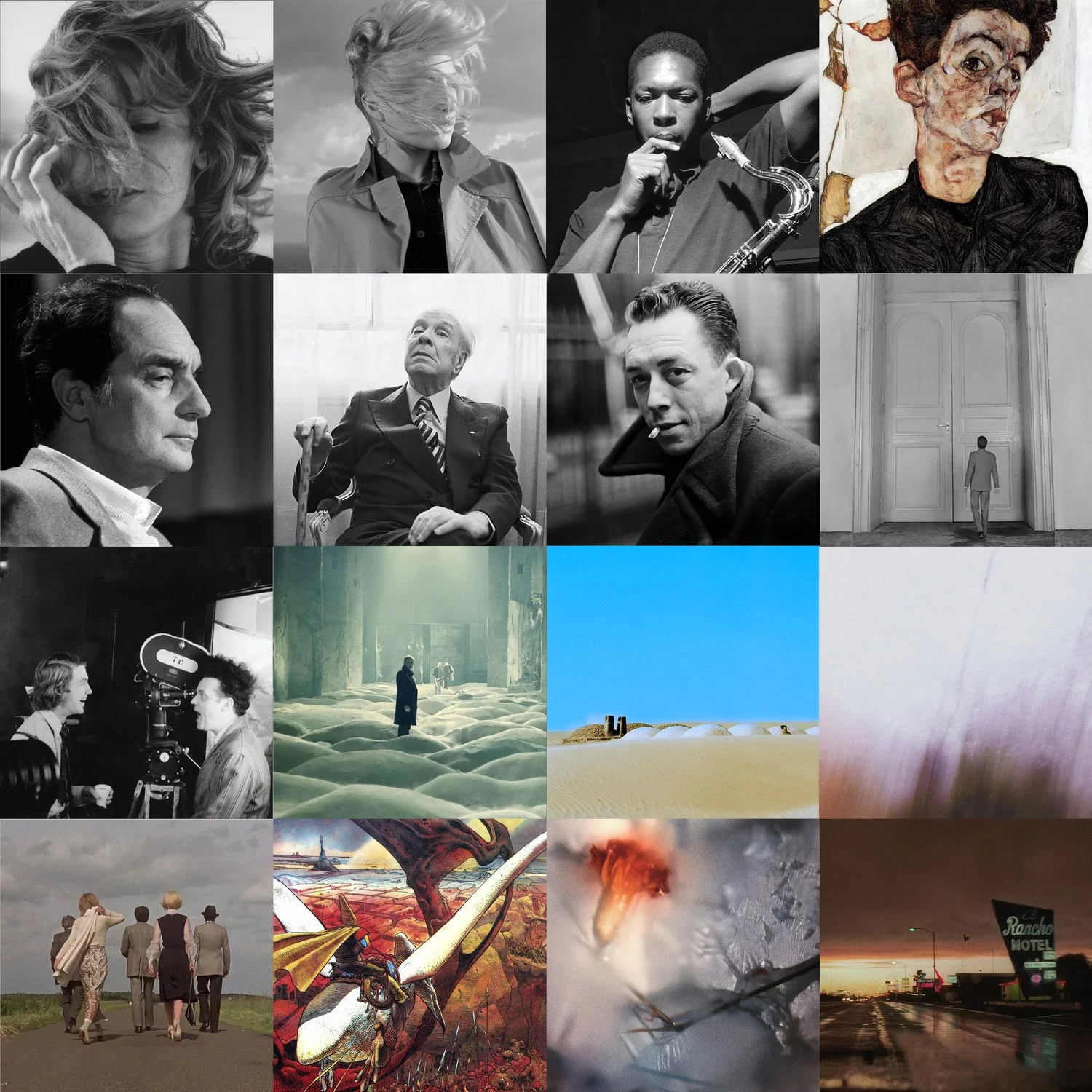
Quando nei miei workshop faccio scorrere le slide con le mie fonti di ispirazione, prima o poi qualcuno nota che non compare nemmeno un fotografo. La cosa suscita sempre un po' di sorpresa, a volte qualche obiezione. Non è una provocazione. È una scelta che ho maturato nel tempo.
Ispirarsi ad altri fotografi è legittimo, anzi necessario, studiare un autore e smontarne il lavoro è un esercizio prezioso. Si può anche copiare direttamente, senza vergogna, perché è uno dei modi più efficaci per capire davvero come funziona qualcosa, ma non ci si può limitare a quello.
Nel momento dello scatto, portarsi dietro il lavoro di un altro fotografo equivale ad avere un peso al collo: come avrebbe fatto? Come avrebbe interagito? Cosa avrebbe visto che io non sto vedendo?
È uno sforzo mentale che sottrae energia proprio nel momento in cui ne avresti più bisogno e il risultato, nella migliore delle ipotesi, è una copia peggiore dell'originale.
Molte delle mie influenze giovanili vengono dal cinema, dalla letteratura, dalla musica, dal fumetto. Quando cerco ispirazione mi viene spesso naturale ripensare a Tarkovskij, Kafka, Borges, Tom Waits, Moebius, John Coltrane, che, assieme a tanti altri sono spesso con me ma non mi chiedono di replicare niente. In cambio mi danno qualcosa di più utile: un modo di guardare, una sensibilità, una domanda da portare con me.
Il principio che cerco di trasmettere è la differenza fondamentale tra “Mi piace questa foto” e “Mi piace questa foto, perché?”. È una differenza apparentemente piccola ma cambia tutto. Sposta l'attenzione dall'estetica alle sensazioni, da quello che si vede a quello che si sente.
È il modo in cui ho imparato a guardare. E ancora adesso è il modo in cui cerco di lavorare.
NO PHOTOGRAPHERS
When I scroll through my inspiration slides during workshops, sooner or later someone notices there isn't a single photographer in the list. It always raises a few eyebrows, sometimes an objection or two. It's not a provocation. It's a choice I've developed over time.
Drawing inspiration from other photographers is legitimate — necessary, even. Studying an author, taking their work apart, understanding how it functions: it's a valuable exercise. You can even copy outright, without shame, because it's one of the most effective ways to truly understand how something works. But you can't stop there.
In the moment of shooting, carrying another photographer's work with you is like wearing a weight around your neck: how would they have done it? How would they have interacted with the subject? What would they have seen that I'm missing?
It's a mental effort that drains energy exactly when you need it most — and the result, at best, is a worse copy of the original.
Many of my early influences come from cinema, literature, music, comics. When I look for inspiration, it feels more natural to think of Tarkovsky, Kafka, Borges, Tom Waits, Moebius, John Coltrane — who, along with many others, are often with me but never ask me to replicate anything. In return they give me something more useful: a way of seeing, a sensibility, a question to carry with me.
The principle I try to pass on is the fundamental difference between "I like this photograph" and "I like this photograph — why?" It's an apparently small difference, but it changes everything. It shifts attention from aesthetics to sensation, from what you see to what you feel.
It's how I learned to look. And it's still how I try to work.
Le immagini presenti in questo articolo appartengono ai rispettivi autori e aventi diritto. Sono utilizzate esclusivamente come riferimento visivo e culturale a supporto della riflessione critica proposta nel testo.
Alcune considerazioni precedenti: Intervista su StarsSystem Magazine